
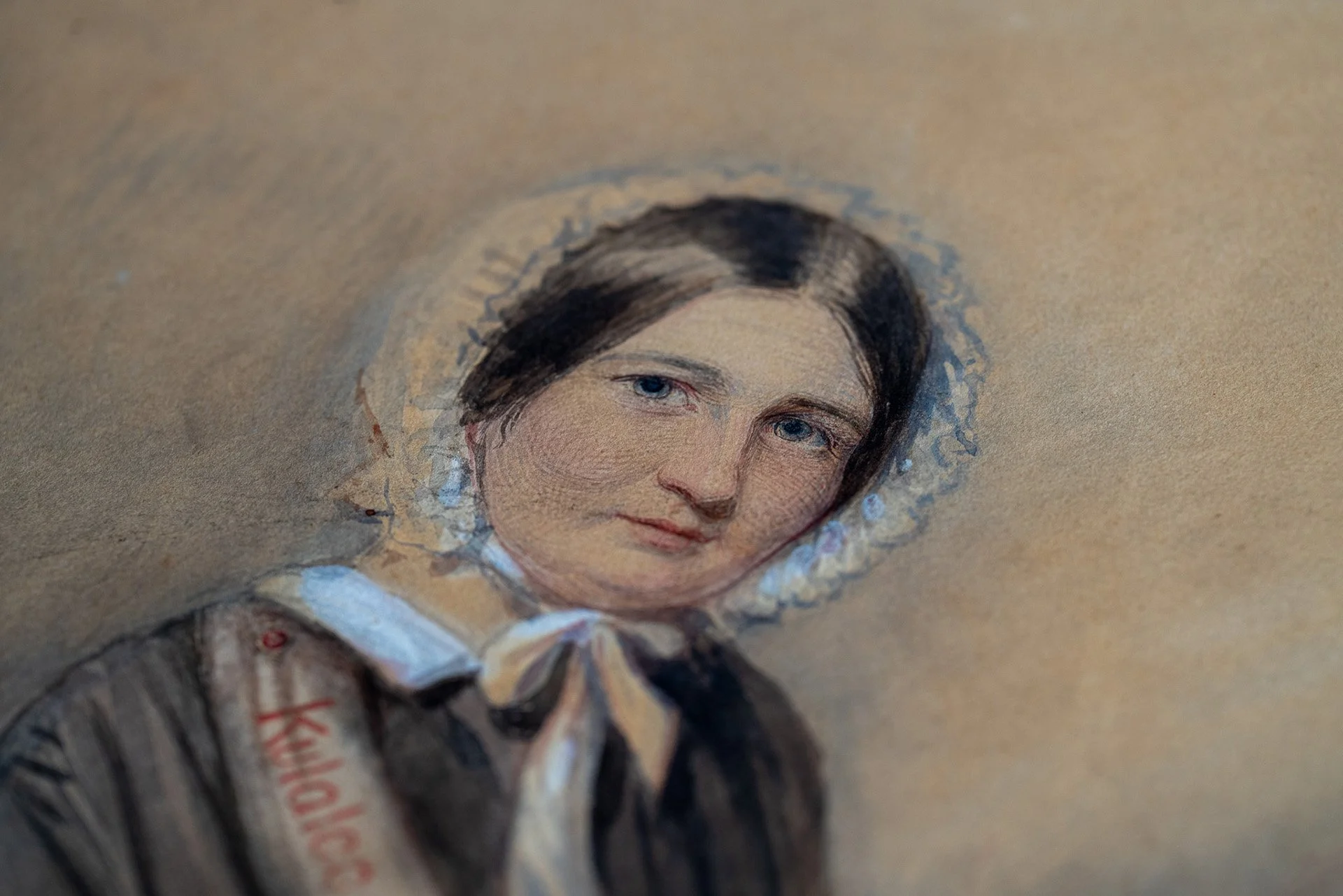
A photograph of Mother Magdalen as a Crimean War volunteer nurse
Our Foundress, Venerable Mother Magdalen Taylor
Early years
Frances Margaret Taylor (later known as Mother Magdalen Taylor) was born on 20th January 1832 in Stoke Rochford, Lincolnshire, the youngest of ten children. Her father, Reverend Henry Taylor, was the Anglican rector of the parish. His untimely death when she was only ten years old deeply affected her family, and they relocated to London.
This transition introduced Frances to the harsh realities of urban poverty, sparking her lifelong mission to serve the poor. Frances exhibited an extraordinary sense of responsibility and empathy from a young age. As a teenager, she worked with an Anglican Sisterhood amongst the poor and deprived of central London. At just 20, she volunteered during a devastating cholera outbreak in Devonport, Plymouth, risking her life to care for the sick. This early exposure to human suffering foreshadowed her future dedication to social justice.
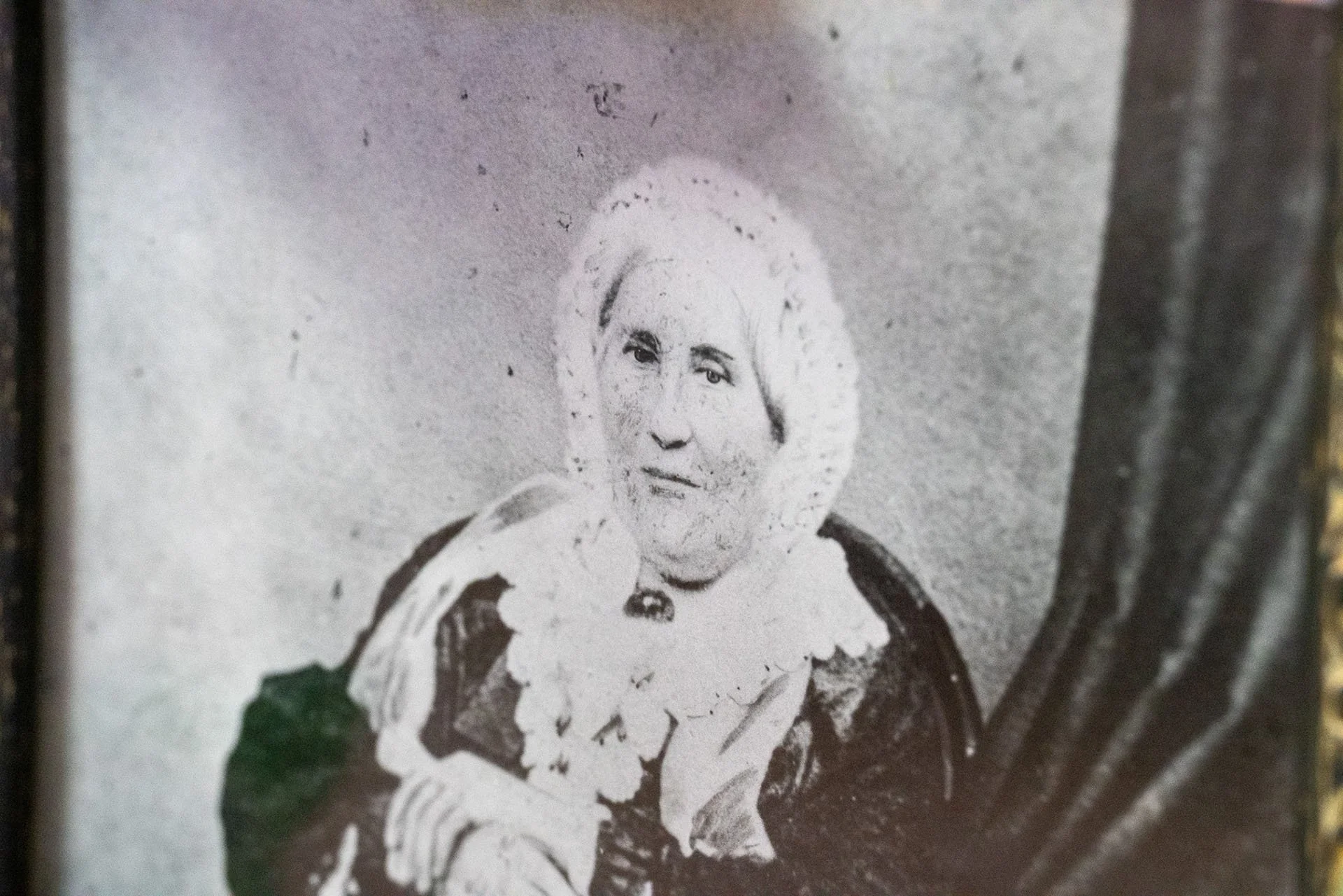
Louisa Taylor - Mother of Frances Margaret Taylor
Although under the approved age, in December 1854 she was accepted to serve as a volunteer nurse in the Turkish military hospitals during the Crimean War, working briefly alongside Florence Nightingale. On 14th April 1855, she was received into the Roman Catholic Church, strongly influenced by the faith of the Irish Catholic soldiers and by the skilled and dedicated nursing of the Catholic religious sisters, the Sisters of Mercy and the Daughters of Charity of St Vincent de Paul.
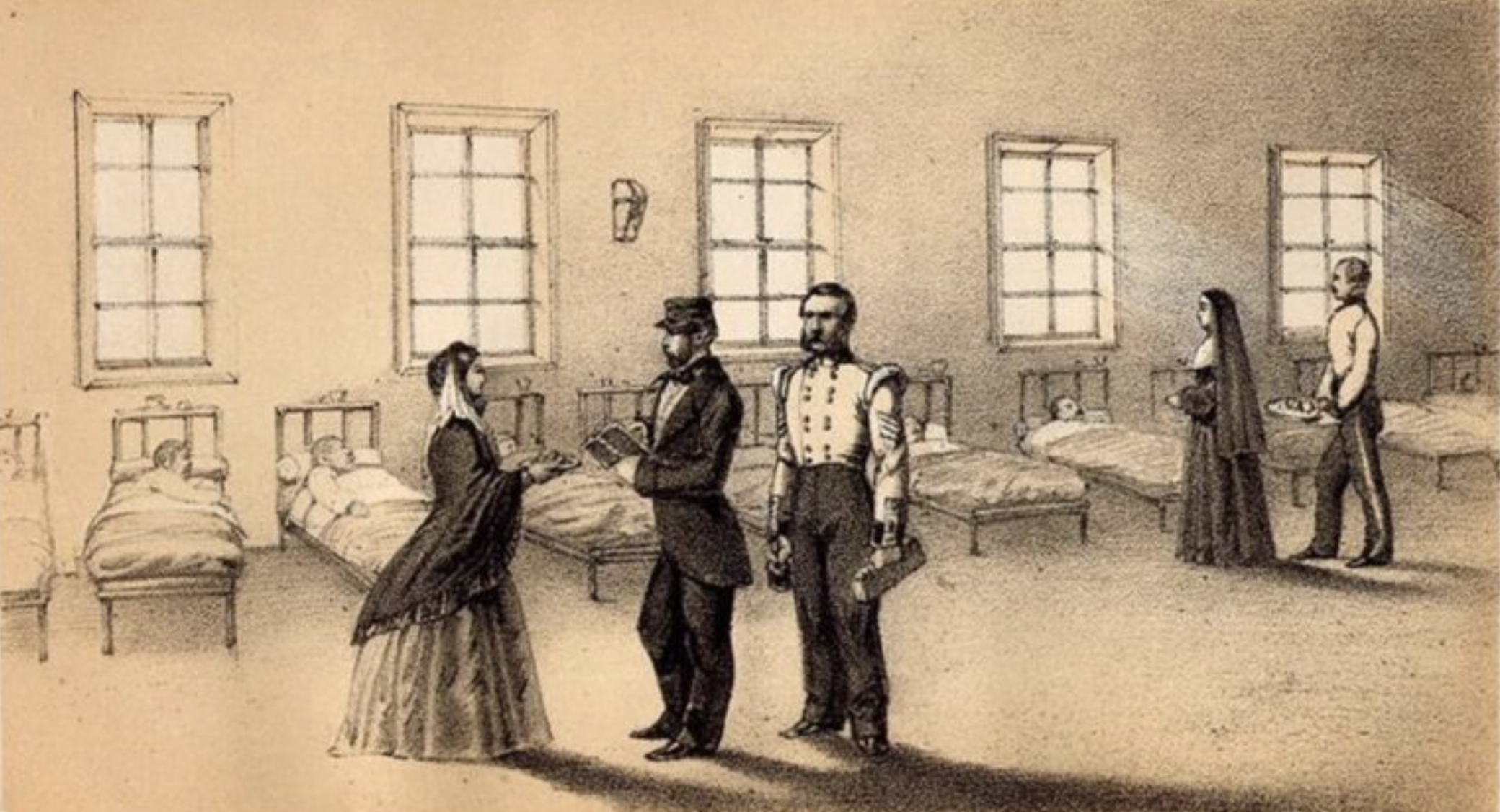
Crimean hospital
Our Beginning
The story of the congregation has its genesis in the overcrowded streets and alleyways of Dickensian London in the late 19th century. It was there that Frances Taylor, together with a small group of like-minded women, reached out to the most vulnerable, needy and frightened people who thronged the vast metropolis.
On February 12th 1872, she formally established the religious order known as the Congregation of the Poor Servants of the Mother of God, taking the name in religion of Mother Mary Magdalen of the Sacred Heart. The aim of her congregation was to address the urgent needs of the poor, focusing on education, healthcare and refuge to the most vulnerable, including street children, destitute women and the sick. Her dedication earned her the admiration of local authorities and inspired other women to join her mission, thus forming the nucleus of the congregation.
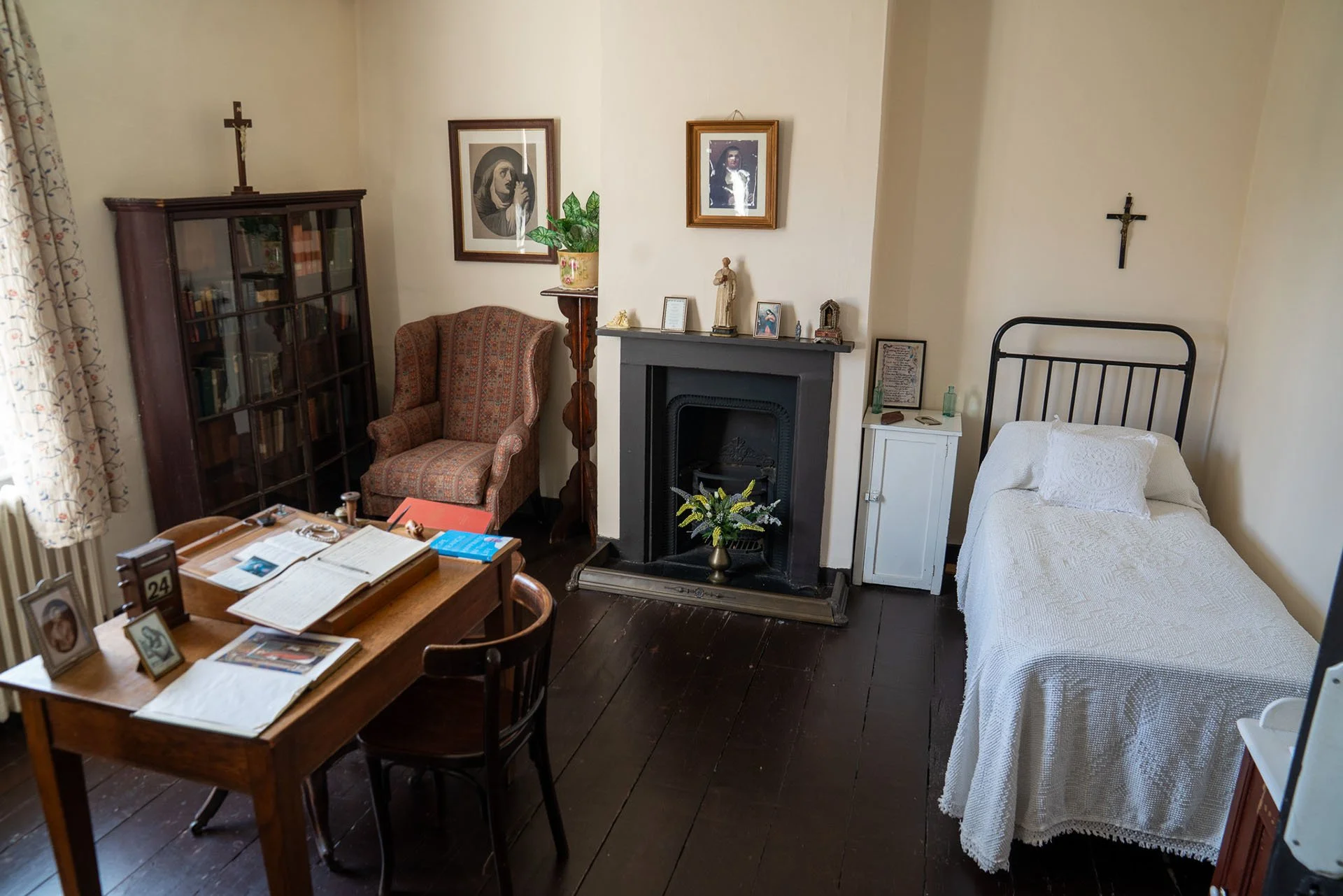
Mother Magdalen’s room at St Mary’s Convent Brentford, carefully preserved in her memory.
Life and legacy
Mother Magdalen died on 9th June 1900, leaving an enduring legacy which continues today in schools, care homes and retreat centres, wherever her followers can best respond to the most pressing needs of the time.
Mother Magdalen’s mortal remains repose at the Kairos Centre in Roehampton, S.W. London. It is fitting that the meaning of the word “Kairos” refers to a right or opportune time, a moment of God’s decisive action. In recognition of her holiness and impact, the Catholic Church has now begun the process of her beatification. Her life is a powerful reminder of the transformative power of love, courage and unshakable faith in the providence of God. Frances’ profound insight into the mystery of the Incarnation (God so loved the world that “the Word became flesh and dwelt among us” (Jn 1:14 ) so penetrated her heart and mind, enabling her to see the person of Christ in every human being she encountered. May her life of deep faith and loving service continue to inspire all who follow in her footsteps.
It is then right and just that Wandsworth Council has now decided to honour this remarkable woman by erecting a commemorative plaque on the walls of one of her first foundations - St Mary’s Convent, Roehampton High Street, London.
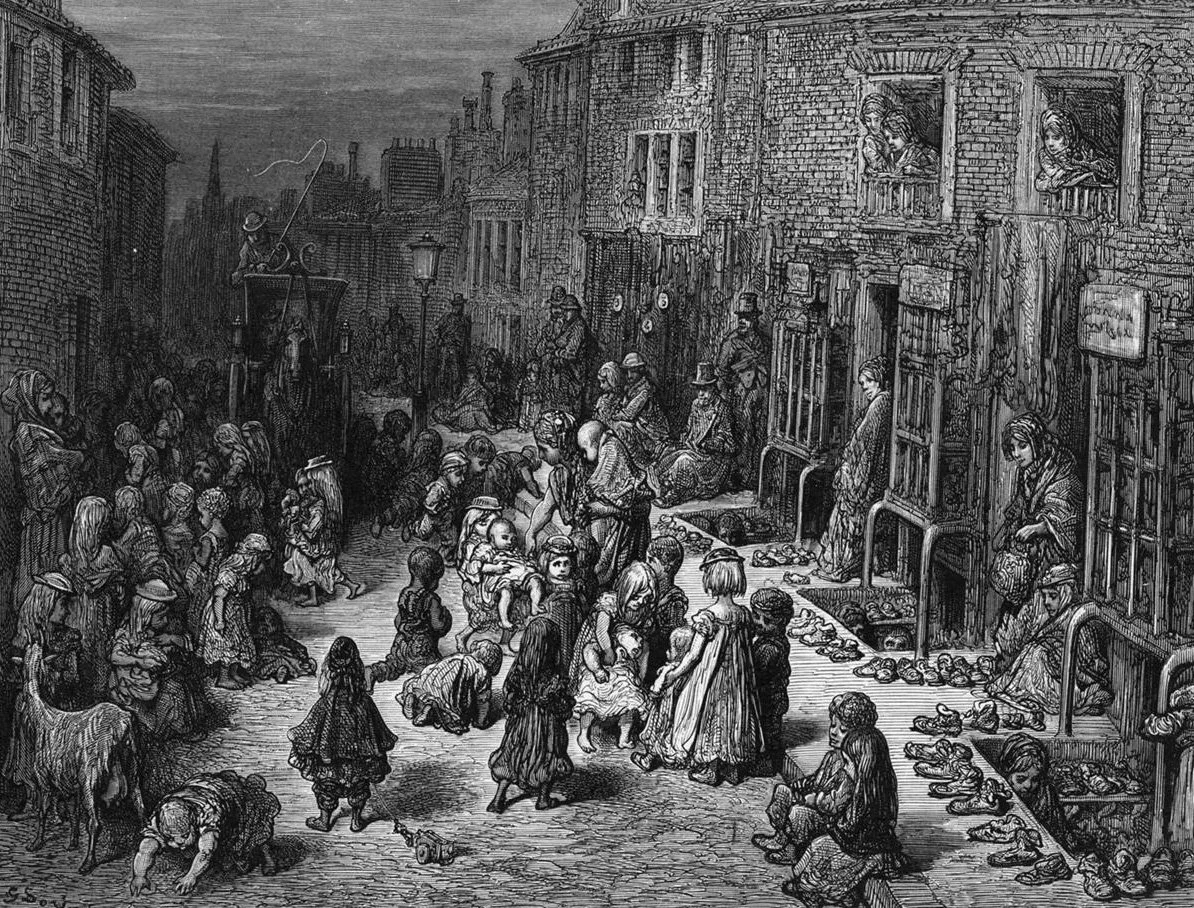
A scene of poverty in Victorian London
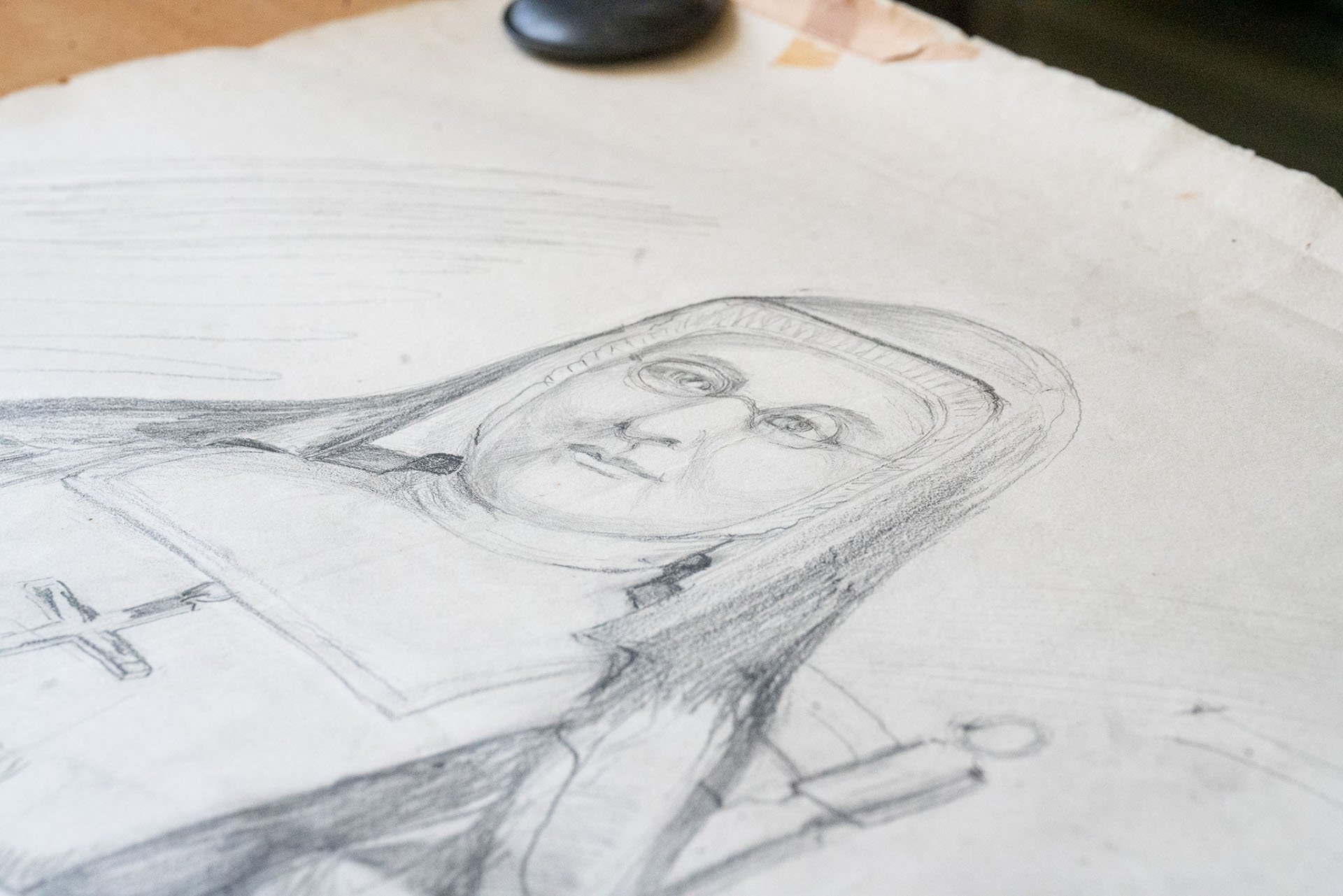
A photograph of the sketch of Mother Magdalen by the late Sr Mary John Southworth SMG
The Journey Of Beatification:
On 13th June 2014, Pope Francis authorised the promulgation of the decree concerning the Heroic virtues of Servant of God Mother Magdalen of the Sacred Heart (Frances Margaret Taylor), foundress of the Poor Servants of the Mother of God (1832-1900).
She was thus declared ‘Venerable’, the first stage to canonisation or sainthood in the Catholic Church. Read more
“The Spirit of the Lord GOD is upon me, because the Lord has anointed me to bring good tidings to the afflicted.”
Isaiah 61.1
Venerable Magdalen of the Sacred Heart, the Prophet
We seek to have Venerable Mother Magdalen of the Sacred Heart canonised for numerous reasons, though none more important than her role as Prophet. A Prophet communicates God’s message. The message gives a vision to the world that inspires people and encourages them.
We would say that Venerable Mother Magdalen of the Sacred Heart found her Voice - or rather, she found God's own voice crying out in her what he wanted her to do, speaking to the people of God in Victorian times.
Here are four marks of her being a Prophet:
A Prophet listens
She was inspired to write books and articles, decrying the evils of society in her own time. For instance, her first book, Eastern Hospitals and English Nurses was an expose of the neglect of sick soldiers, and the injustice and indignities which they suffered. In Irish Homes and Irish Hearts she attacked popular prejudices about the Irish people, and contemporary neglect of the vulnerable, the elderly, the disabled and discharged prisoners. As a Prophet, she fearlessly used her voice to challenge social evils. As an encourager, she convinced Fr. Augustus Dignam SJ to change the Messenger of the Sacred Heart from being an expensive literary magazine into a popular penny magazine, which quickly circulated freely among the poor. She further encouraged Fr. James Cullen SJ in Dublin to make the magazine available to people in Ireland. This Messenger is still published in Ireland today.
A Prophet is centred on God’s Will
She called for the reform of the nursing profession and was actively involved in the practical solution of social problems. That is why as a lay person and later as a religious sister she worked practically to address problems such as the neglect of the sick poor, the need for affordable education and healthcare, and for proper employment opportunities for working class women.
A Prophet interprets the signs of the time
She united herself to the prayer of the Church. In the Apostleship of Prayer program, a person unites with the intentions of the Church daily all over the world so as to be as close as possible to the mind of the church in its concerns and prayers for its suffering members. Prayer touched the two great loves of her life - the Sacred Heart and the Poor.
A Prophet gives a voice for the voiceless
The fourth mark of her being Prophet is found in her call to be the Foundress of our Congregation, the Poor Servants of the Mother of God. She saw the necessity for an organised community of women, under the aegis of the Church, to practically address social problems.
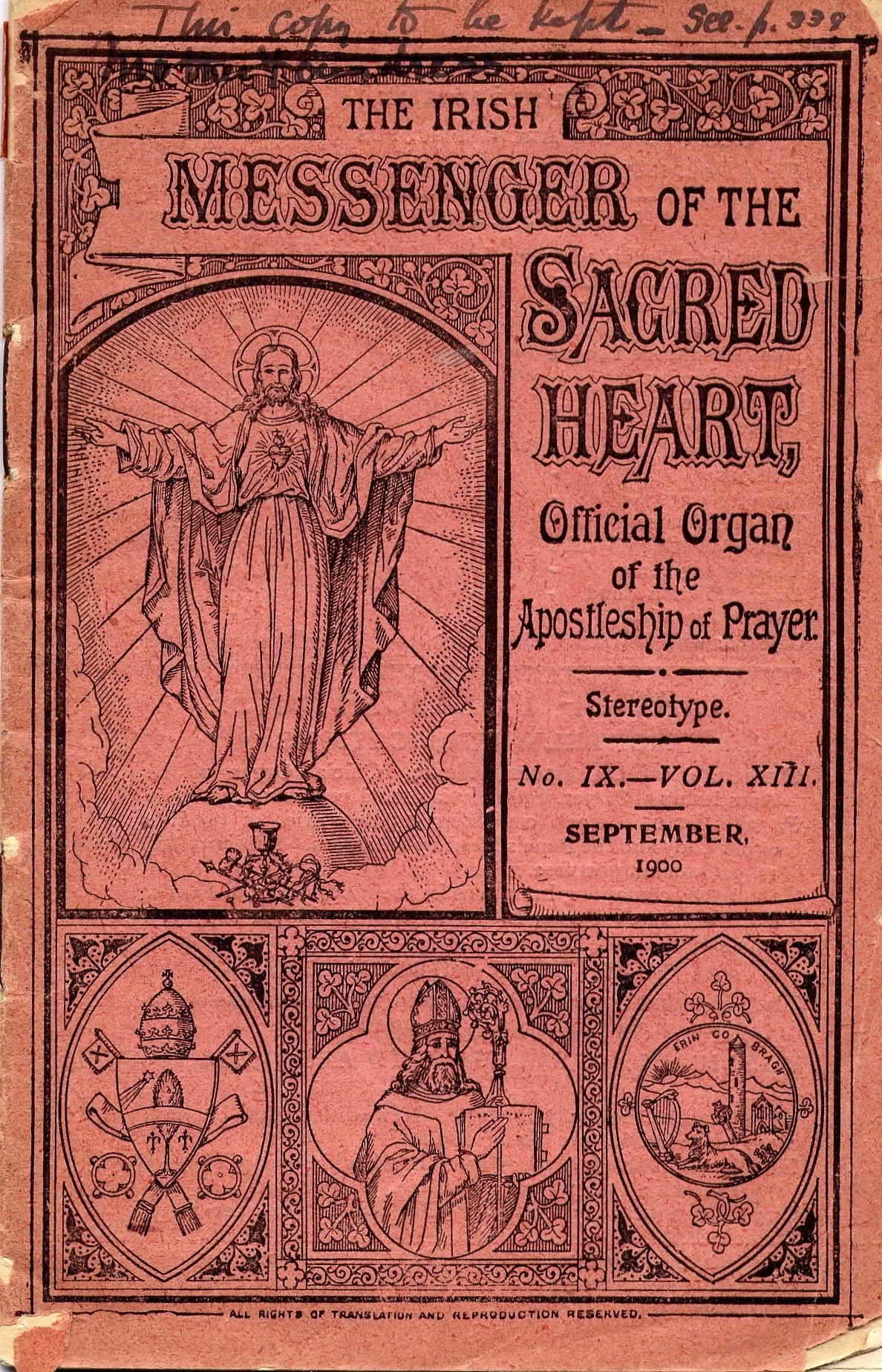
The cover of the Irish edition of the Sacred Heart Messenger, containing an obituary of Mother Magdalen
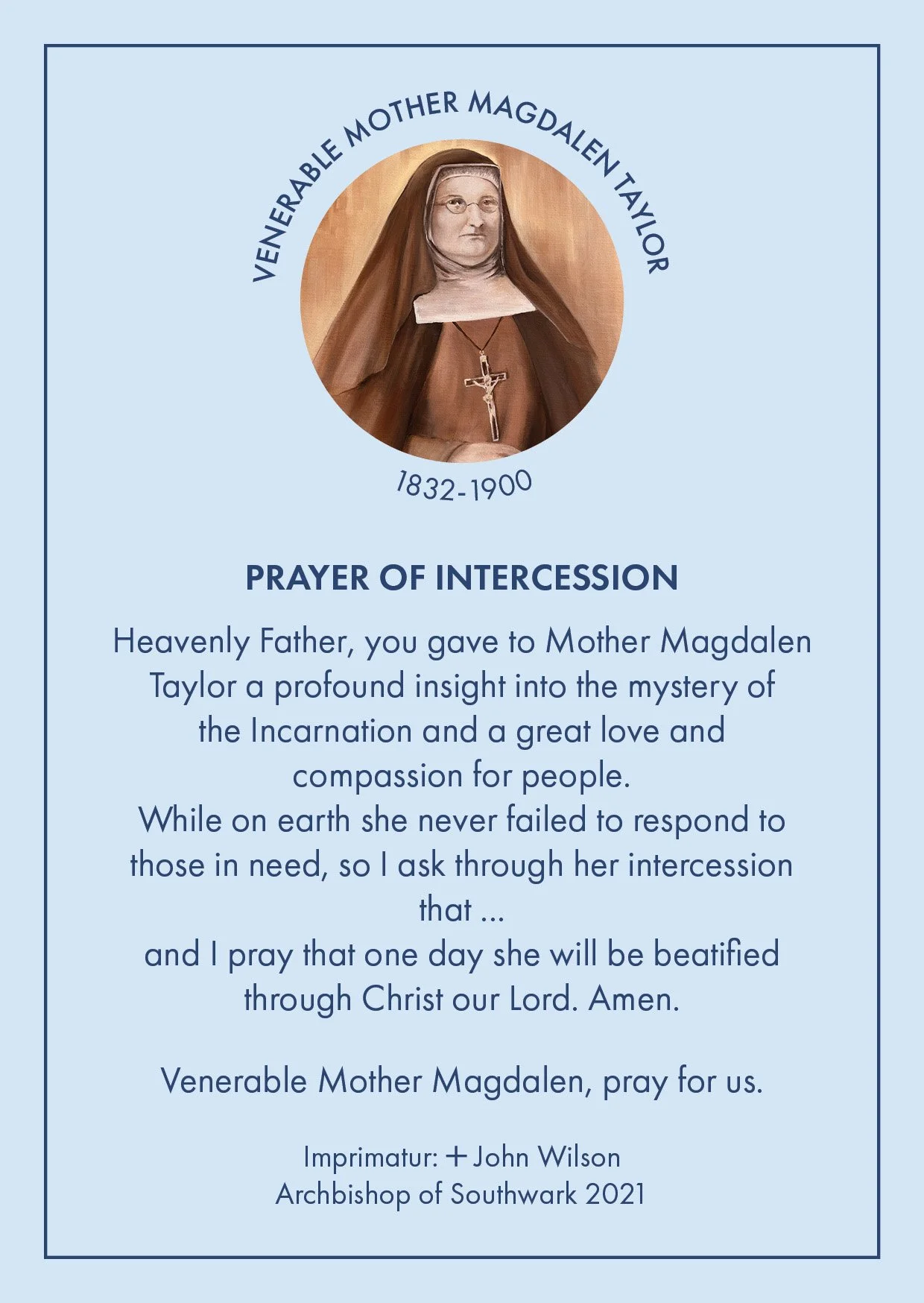
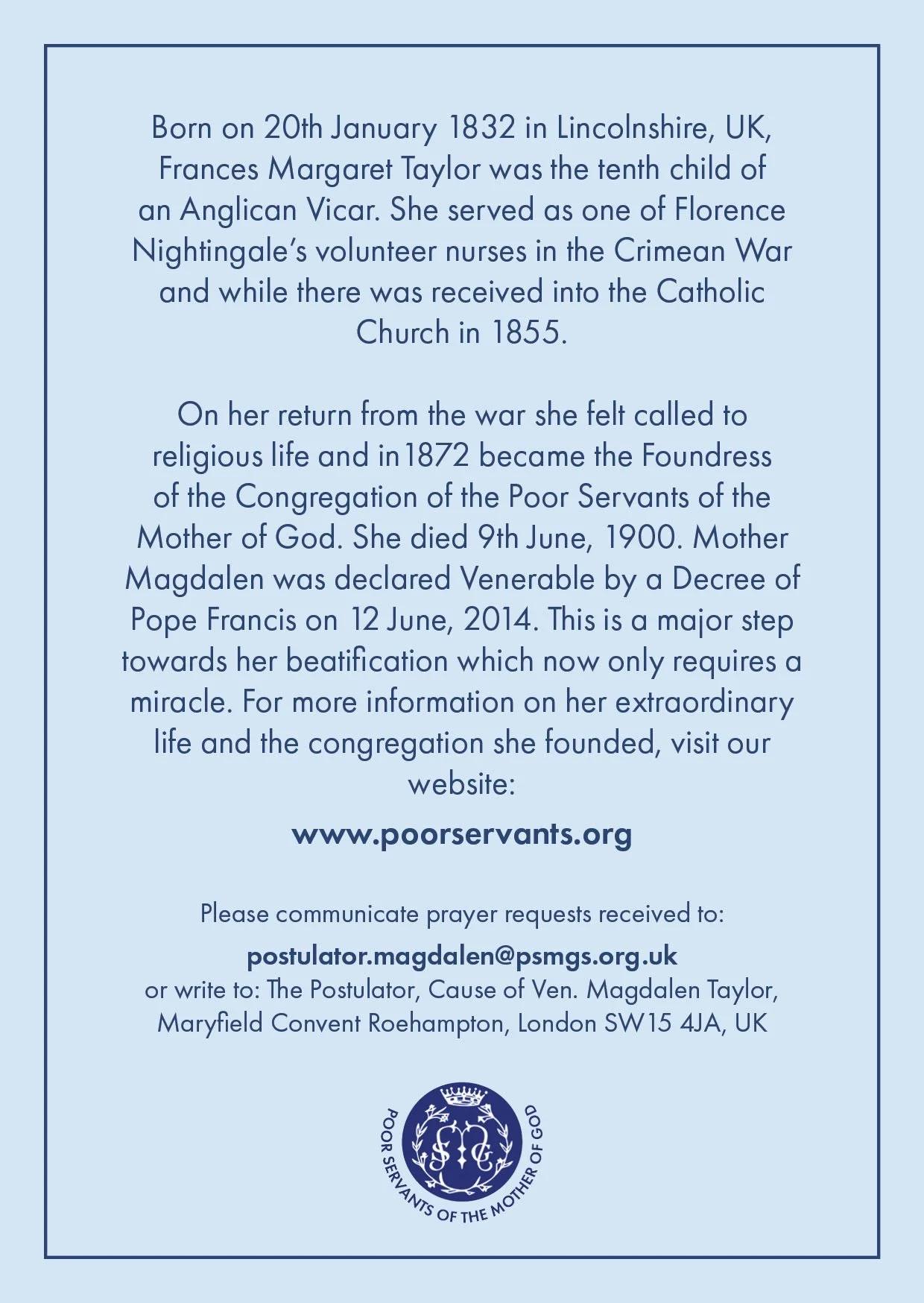
We encourage people to pray with faith through the intercession of Venerable Mother Magdalen of the Sacred Heart, for specific needs and to report the granting of any favours received to the Promoter of her cause – Sr Mary Whelan
Read the latest edition of Pray and Promote – our magazine dedicated to supporting the Cause for the Beatification of Venerable Mother Magdalen Taylor.
If you would like to access previous editions of Pray & Promote, please contact our archivist, Paul Shaw, who will be happy to help.
Watch a short dramatised documentary on the life of Frances Taylor.