
SMG Central Archive
The central archive of the Poor Servants of the Mother of God is housed at St Mary’s Convent, 10, The Butts, Brentford, London, TW8 8BQ
Phone: 020 8568 7305
The heritage collections consist of historical records, rare books, library items and artefacts, in a variety of formats, mainly dating back to the mid-nineteenth century.
For further information or to make an appointment to visit the archive, please contact the Archivist, Paul Shaw.
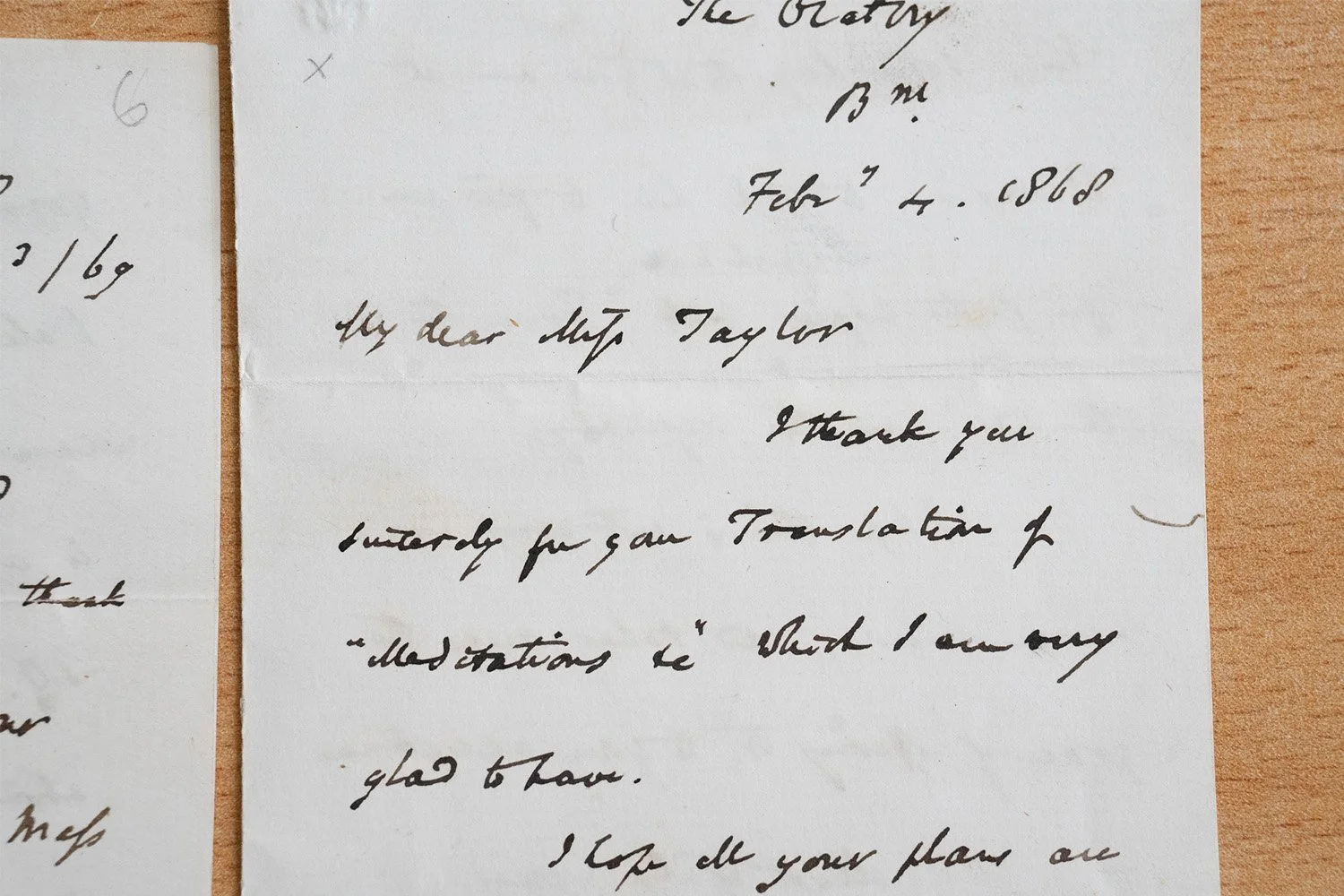
A letter from St John Henry Newman to Mother Magdalen
Historical Background
The order was founded by Frances Margaret Taylor (1832-1900), a Roman Catholic convert from Anglicanism who had served as a nurse in the Crimean War, and whose account of her experiences was published as Eastern Hospitals and English Nurses (1856).
Fanny Taylor had established a considerable reputation as a journalist and author, being the founder editor of the Catholic periodical The Month (1864-5). One of her most notable works was Irish Homes and Irish Hearts (1867) an account of Irish religious orders and charitable institutions.
As Mother Magdalen of the Sacred Heart she was to be the first superior of the order, officially founded in London in 1872, which by the turn of the century administered over 20 houses and institutions, including the Providence Free Hospital, St. Helens. Great assistance was given to the order in its early years by the support of distinguished clerical and lay Catholics, including Cardinal H. E. Manning (1808-1892), and the novelist and philanthropist Lady Georgiana Fullerton (1812-1885). The order was focused upon work in England and Ireland, but also had houses in Italy and France; more recently it has extended its charitable work to the USA, Africa and South America. Houses were acquired in Roehampton in 1876 and 1927, and the Generalate continues to be based there.
The standard accounts of the life of the founder and the early years of the congregation are given in the bibliography attached to the Brief Life by Sr Rose Joseph, SMG.
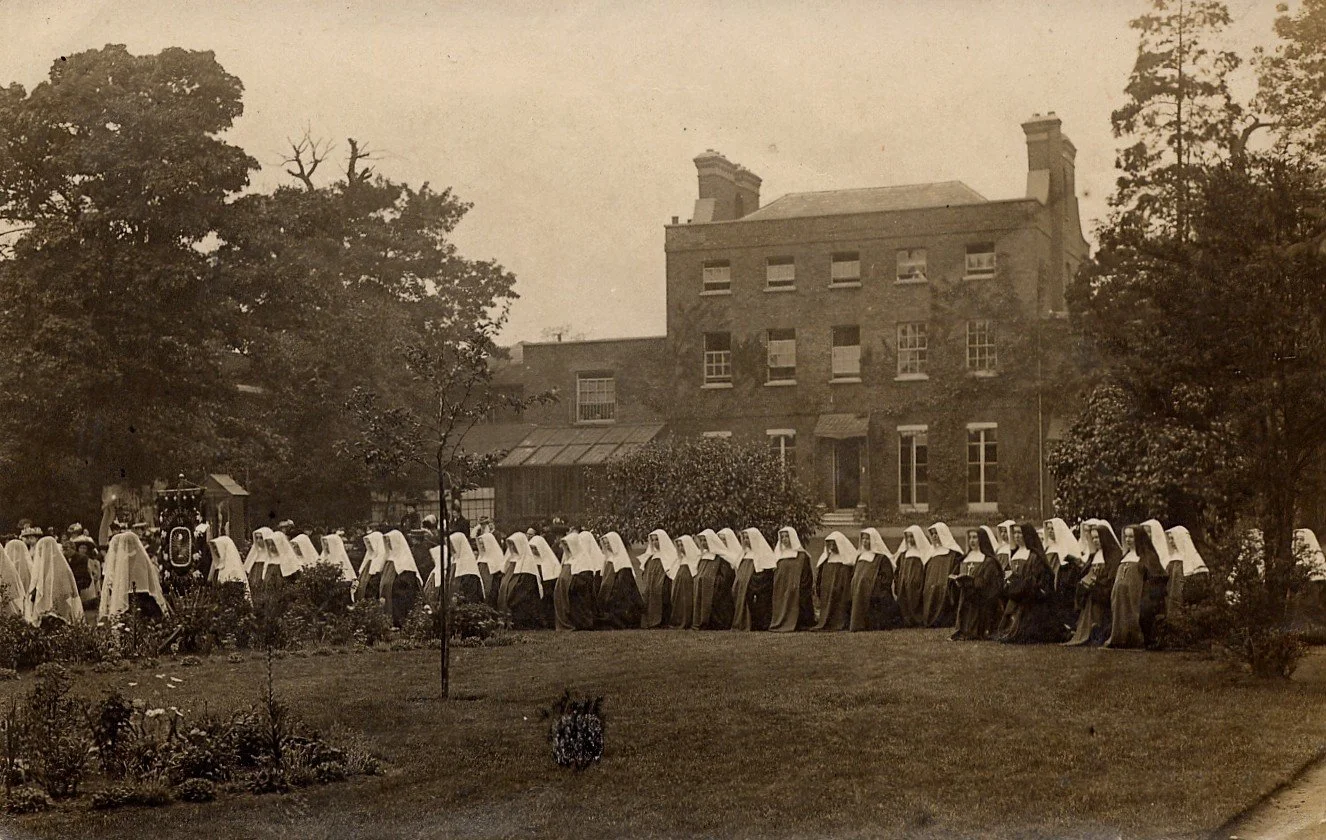
A Corpus Christi procession at the convent in Brentford c.1880-1914.
Publications available
Born to Love, Fanny Margaret Taylor by Mother Geraldine O’Sullivan SMG (Langley, Bucks, 1970)
Editions Sadifa, Poor Servants of the Mother of God, Frances Margaret Taylor, a story of love and service (Strasbourg, 1985)
A Life for Others by Sr Rose Joseph Kennedy (Brentford, 2005 edn)
Historical Notes on Stoke Rochford Church, with particular regard to the links with Frances Margaret Taylor by Paul Shaw (Brentford, 2006)
Frances Taylor – Mother Magdalen 1832-1900 by Sr Eithne Leonard (CTS, London, 2009)
St Mary’s Convent, Brentford, A short history and guide to the convent and heritage Rooms by Paul Shaw (Brentford, 2024)
Most of the above can be obtained by a donation and a contribution to cover postage.
The most authoritative recent biography of Mother Magdalen is by Sr Eithne Leonard SMG, published by St Paul’s Books and available directly from the publisher.
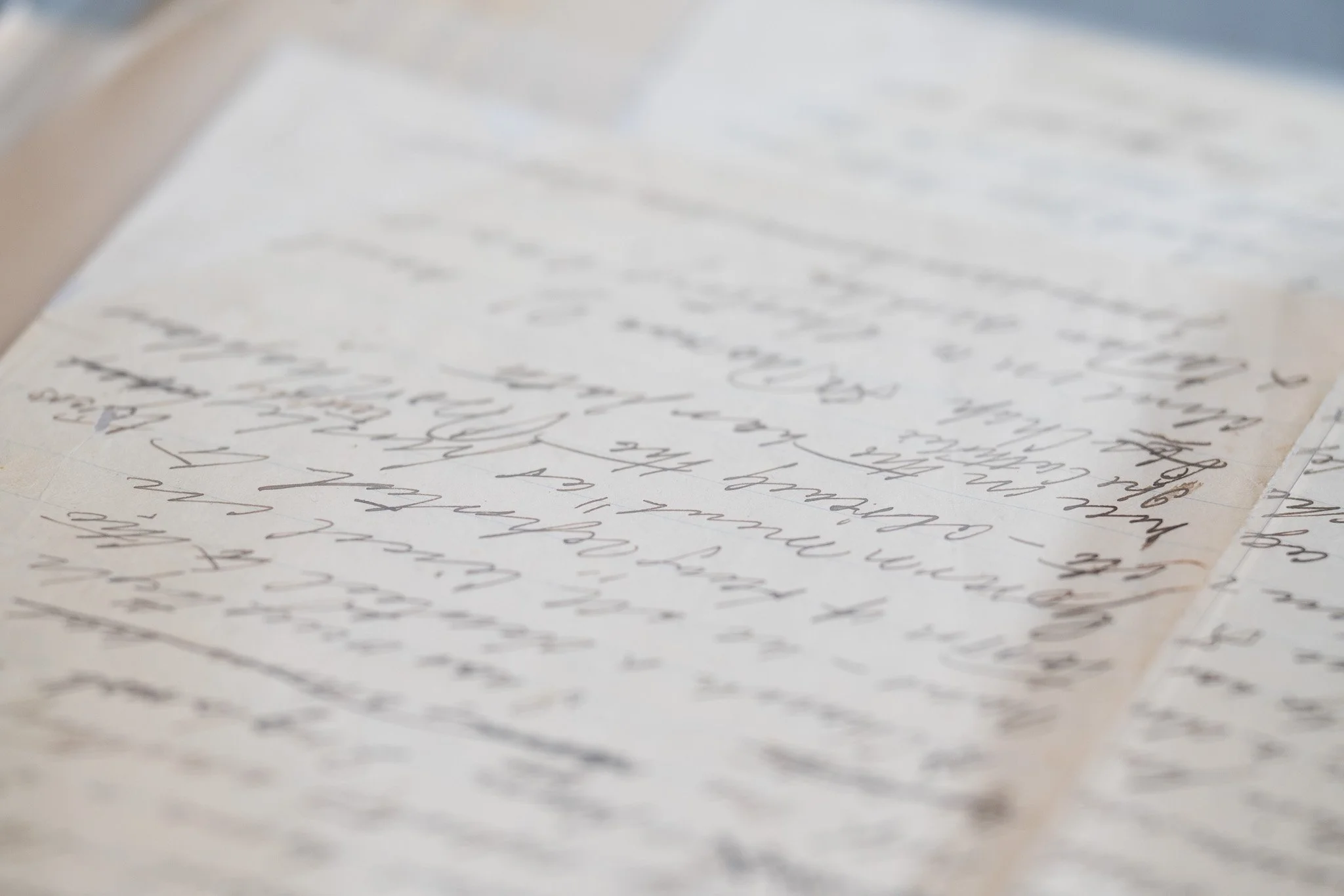
The early annals written by Mother Magdalen
Mission Statement
The primary function of the archive service is to preserve the central archives and heritage collections of the congregation, as the memory of the organisation and its works; to facilitate access to by the congregation, its employees, associates and clients, past and present; and in a wider context to serve as part of the cultural heritage of world Catholicism, and hence to encourage a wider research use as per the norms of the Catholic Church.
Holdings
Include papers of Mother Magdalen and her family; records relating to the early years of the congregation, including correspondence with prominent Catholic clergy such as H. E. Manning and J. H. Newman; papers and literary MSS. of Lady Georgiana Fullerton and her husband Mr A. G. Fullerton; records of the various works and institutions administered by the congregation, including hospitals, workhouses, refuges and care homes in Britain, Ireland, and continental Europe.
Access
Researchers are admitted by appointment only, on application to the archivist. The archives are generally open during ordinary office hours, but this can be negotiated with the archivist.
External enquirers need to apply in writing to the archivist, and access is subject to the approval of the Generalate (governing council) of the congregation. For those doing extended research in the archives, a letter of introduction, e.g. from an academic supervisor, is generally also required. Postal/phone/e-mail enquiries relating to the history of the organisation and its works are answered by the archive service. Most enquiries need to be submitted in writing, by letter or e-mail. Lengthy research needs to be carried out in person or via an agent.
Enquiries which may require the release of potentially sensitive or confidential material relating to individuals need to be supplied in writing, by post or electronically, and we aim to answer such enquiries within one month of their receipt. An enquirer may be required to supply documentary evidence confirming their identity before personal data can be released, as is required by data protection legislation. Anyone seeking advice on the procedures for release of personal information from the archives should please contact the archivist directly, by phone or email.
The congregational archives have been established and maintained as a cultural and informational resource for the congregation of the Poor Servants of the Mother of God, its employees and associates, and access to the collections by external enquirers cannot be presumed. However, the congregation has consistently encouraged and supported academic, genealogical and other enquiry and research into its archives and history, subject to state legislation and the requirement to safeguard the confidentiality and reputation of individuals, as required by canon law and the legislation of individual nation states.
The archivist is happy to answer general enquires on the history of the order and its founder, and to refer students and other enquirers to relevant secondary source materials. Talks and presentations to groups can also be given on request, and also tours of the heritage rooms in Brentford.
Those considering a request for access to the archives, thinking of making a donation of records, or seeking information on services provided for internal users, should see:
Our Archives Blog
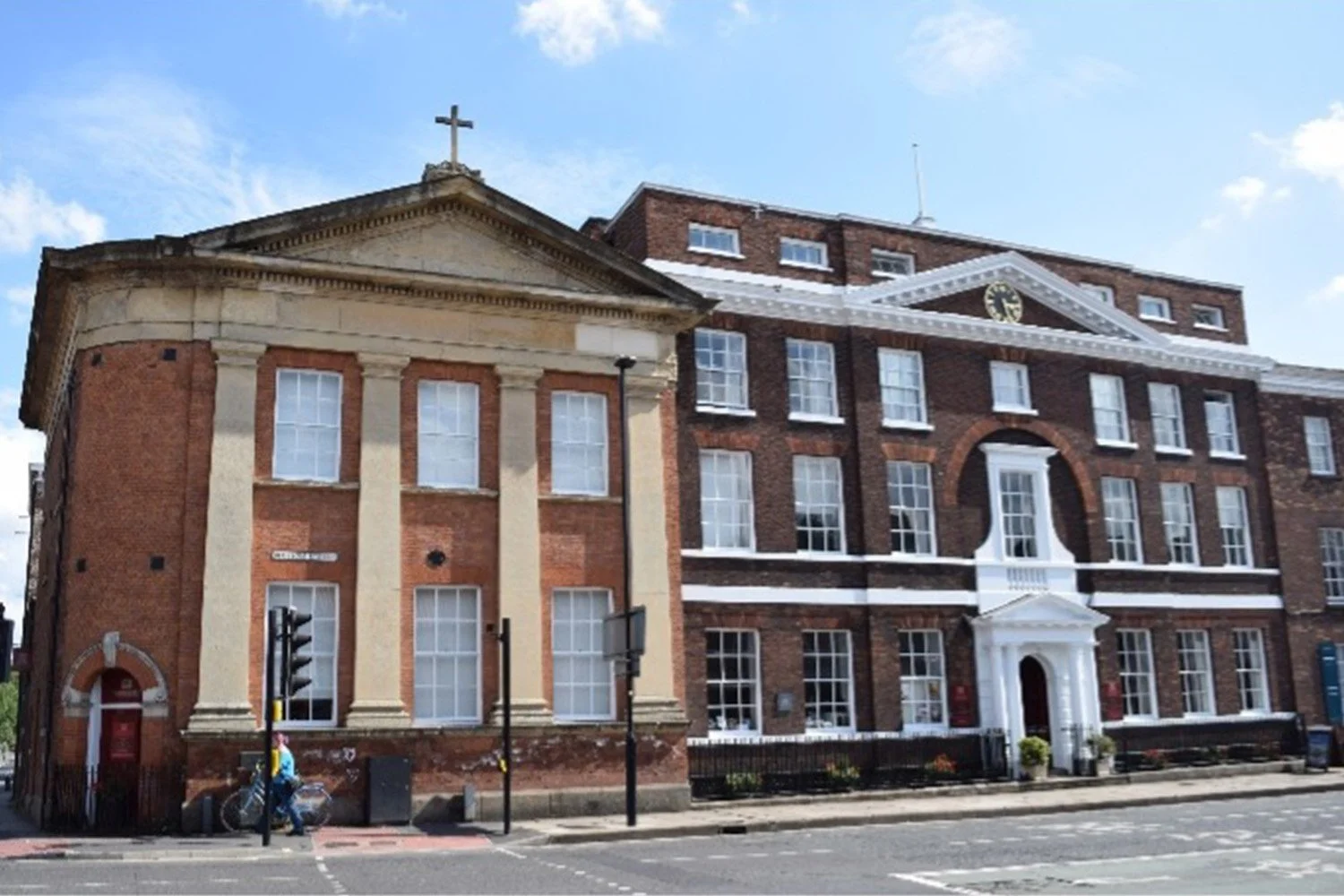
The SMG Archives and Outreach Events: A Contribution to the York Catholic History Day
Beneath the vaulted ceilings of the historic Bar Convent in York, our Archivist took to the podium at last year’s York Catholic History Day to tell a story that is too easily overlooked – and far too important to forget.
In this engaging presentation, delivered at the annual conference in June, he explored the remarkable and often quiet work of the Poor Servants of the Mother of God within the Archdiocese of Liverpool. Drawing on rich archival material and personal insight, the talk revealed how this religious congregation shaped parish life, education and social care across the region, responding with compassion and courage to the needs of some of the most vulnerable communities.
It was a powerful reminder that history is not only found in grand events, but in dedicated lives lived in service – and carefully preserved in our archives.
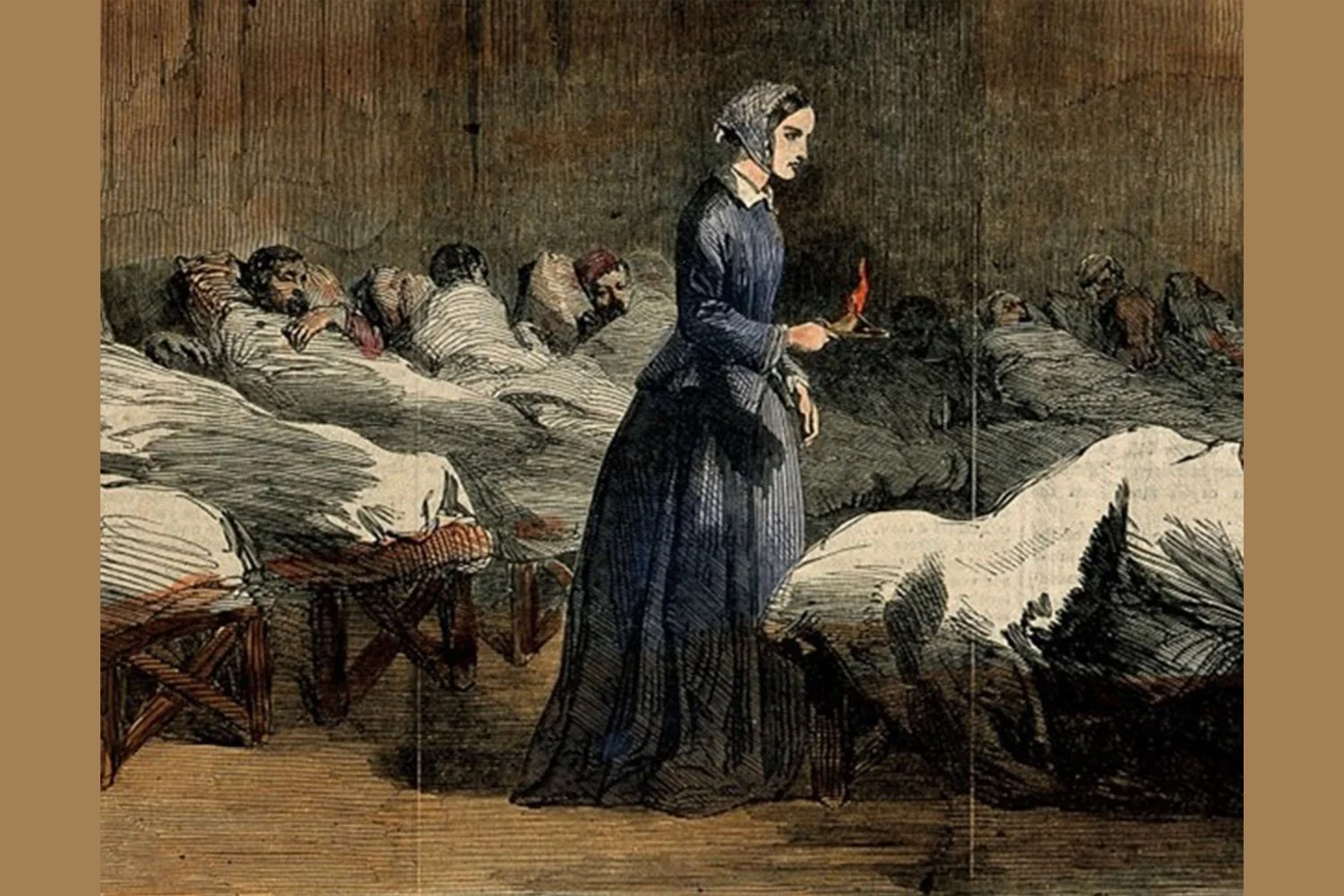
Frances Taylor’s Eastern Hospitals and English Nurses, and some less well-known perspectives on Crimean War nursing
Miss Nightingale’s heroic efforts in reforming standards of care in the British army hospitals during the Crimean War, during which she obtained the famous epithet ‘The Lady with the Lamp’ merely marked the beginning of her unceasing efforts in the sphere of sanitary and health reform.
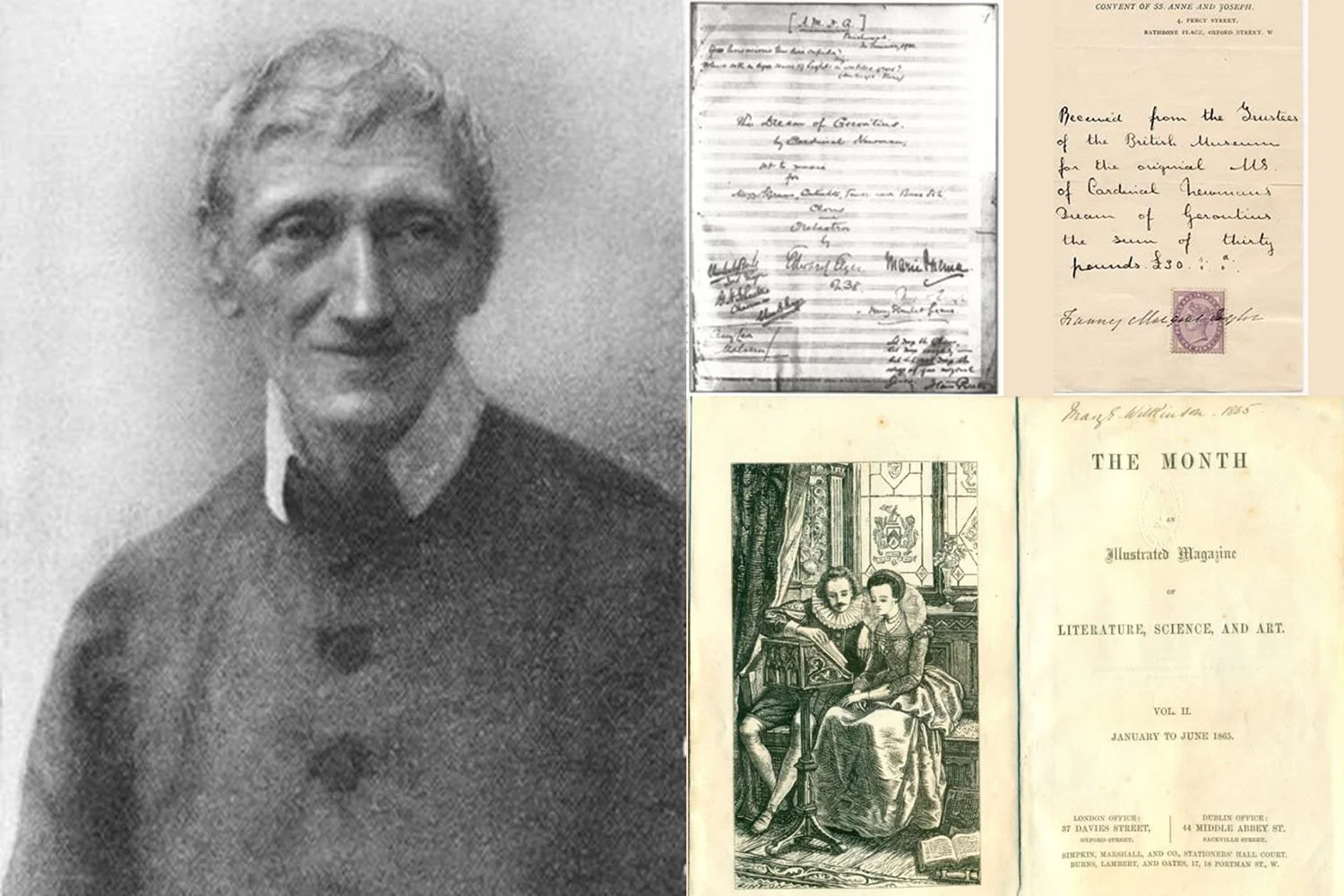
Venerable Mother Magdalen Taylor, St John Henry Newman, and the ‘Dream of Gerontius’
In this post, I am just going to say a little about the association between the great Cardinal John Henry Newman and Mother Magdalen Taylor, foundress of the Poor Servants of the Mother of God.
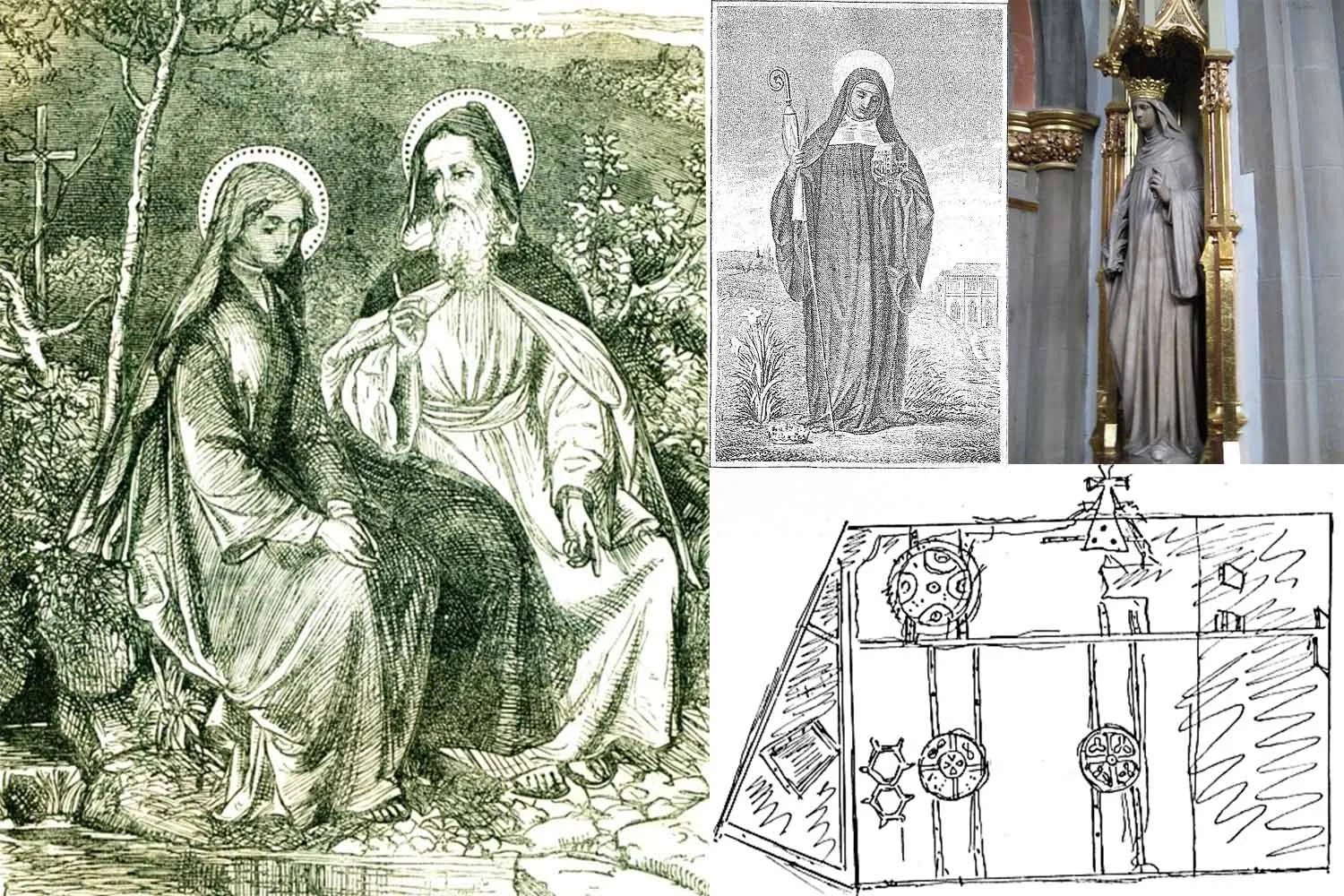
Venerable Mother Magdalen Taylor and her connection with St. Winefride’s Well
In this post, I am going to say a little about Mother Magdalen’s devotion to St Winefride, and how it came to be reflected in what was probably one of her most popular, though now little-known literary productions.
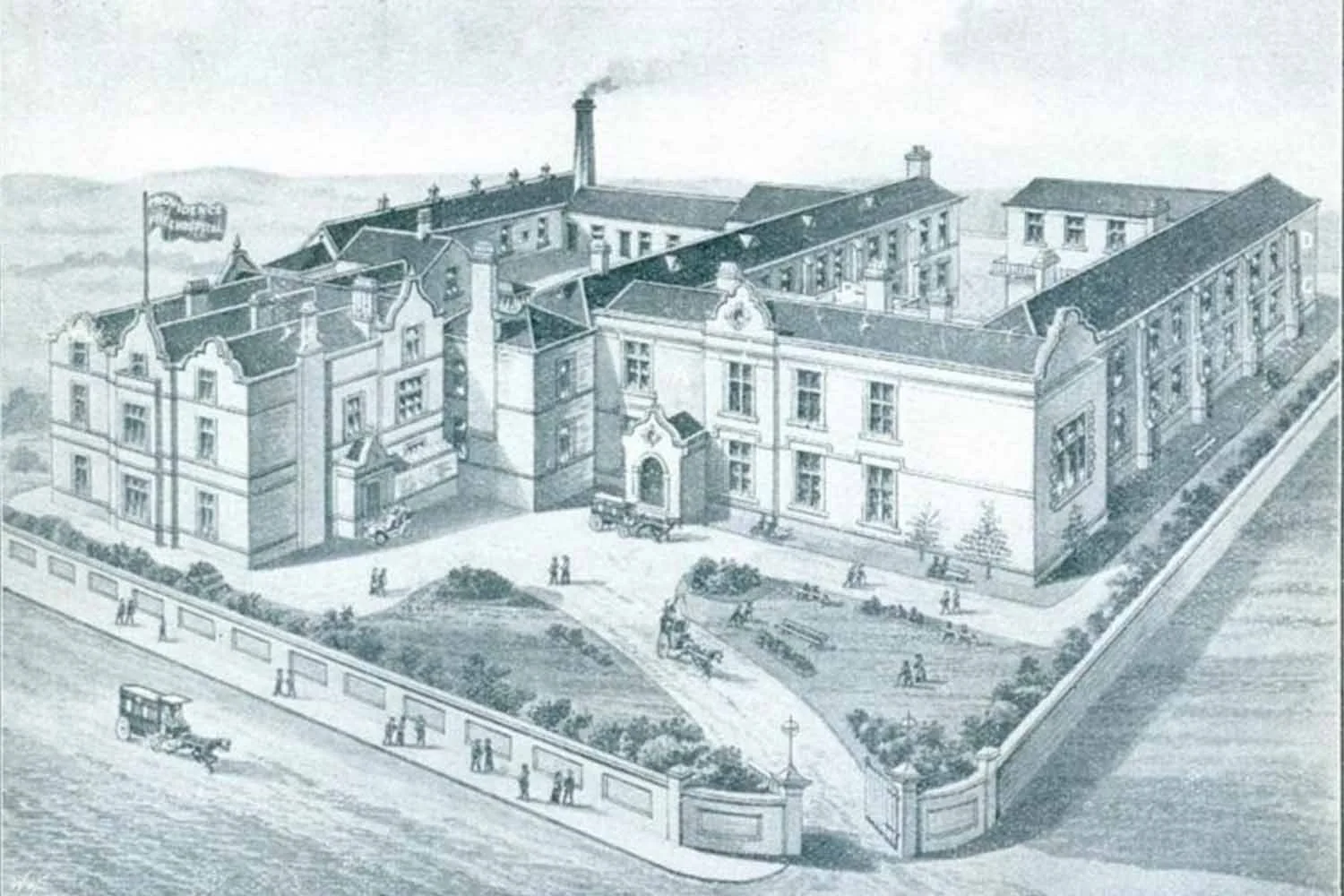
The SMGs and the Great War (1914-19): The work of the Providence Hospital, St. Helens, Lancashire
The founding of The Providence Free may be said to have been one of Mother Magdalen’s most notable achievements. Soon after the arrival of the Sisters, she saw that the most essential need was for a free hospital to serve the heavily industrialised town.
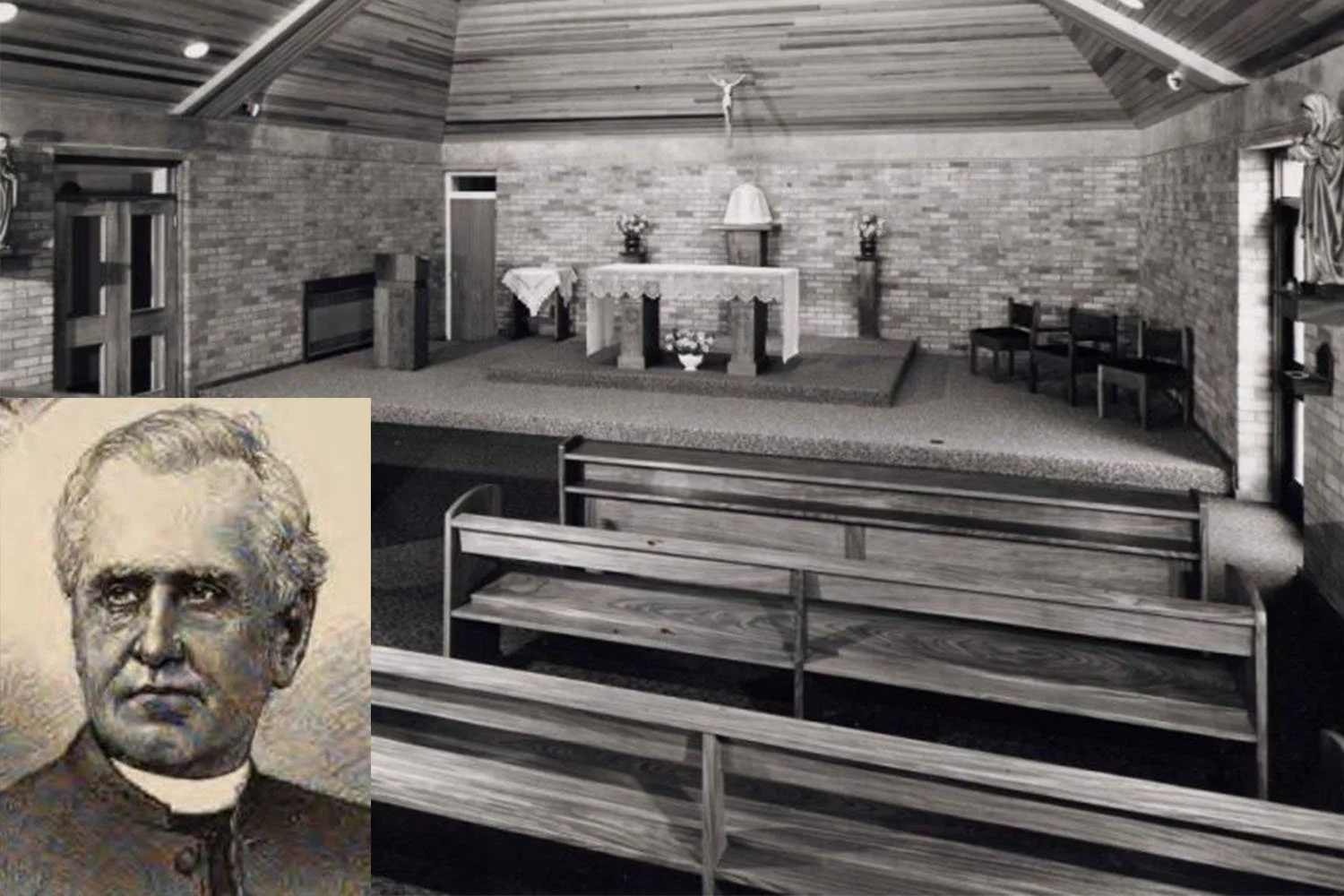
The Archives and the SMG Associates: A recent event at Rosemont Convent, Liverpool
I was very pleased to have an approach from the SMG Associates based in the north-west of England to make a further contribution to their programmes, in order to assist them in engaging with aspects of the history of the congregation and its works.
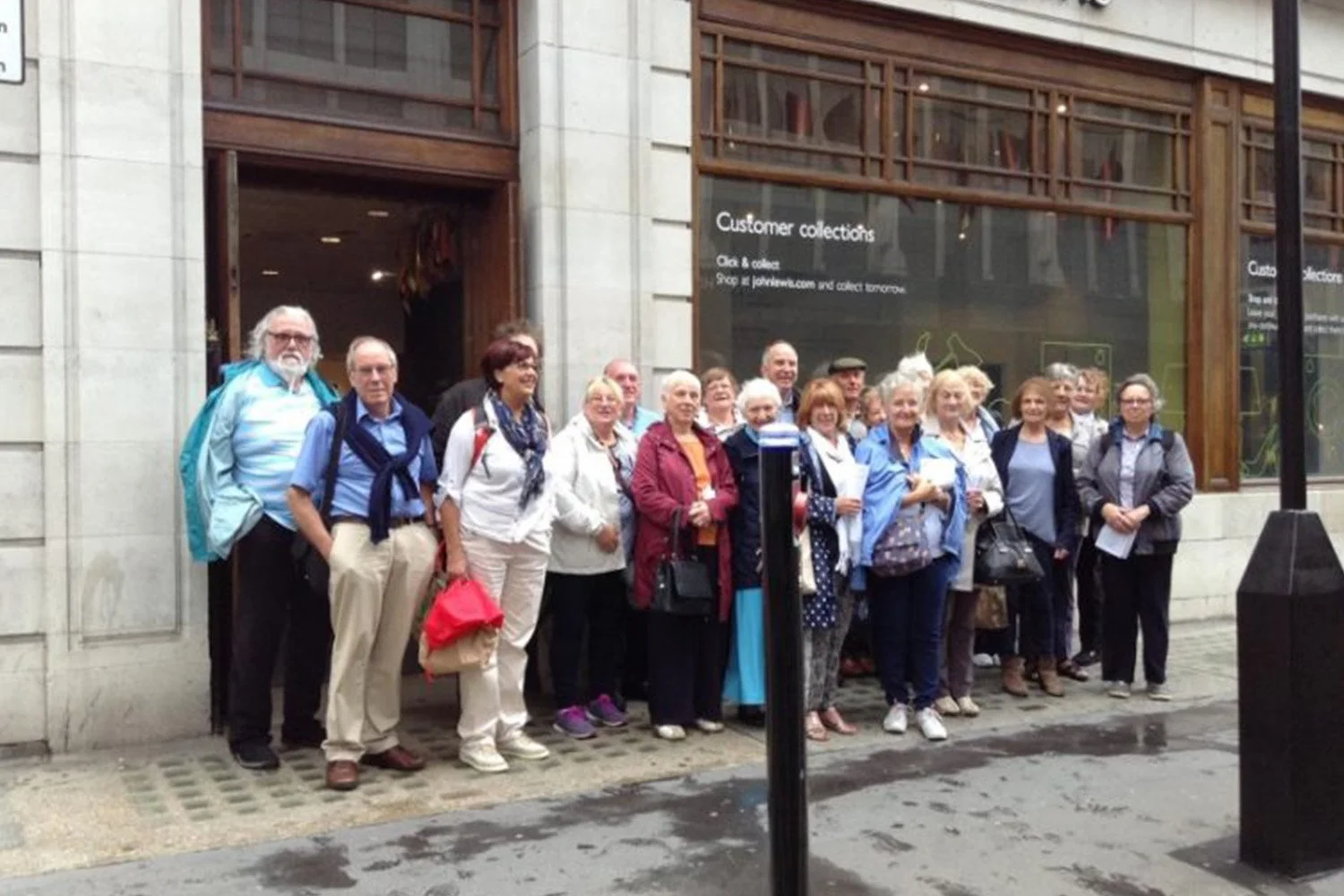
The SMGs, the archives, and the living tradition of Pilgrimage
The tradition of pilgrimage in the congregation which Mother Magdalen Taylor founded is very closely associated with her own charism or spiritual identity.
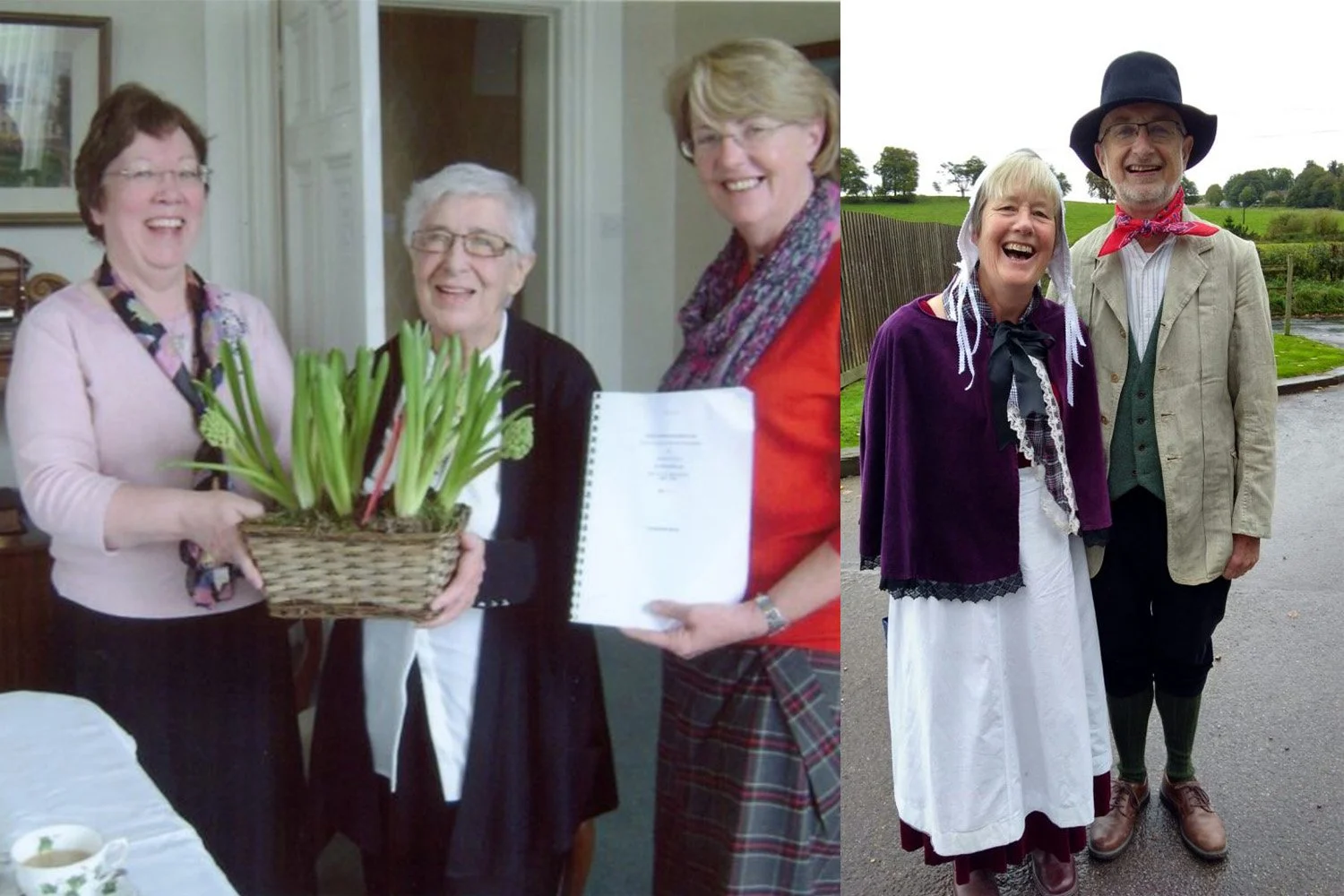
Archives are about people, too!
In this blog, I don’t want just to talk about the SMG heritage collections, rich as they are, but also about some of the personalities connected with the archives, who have contributed so much to the work over the years.
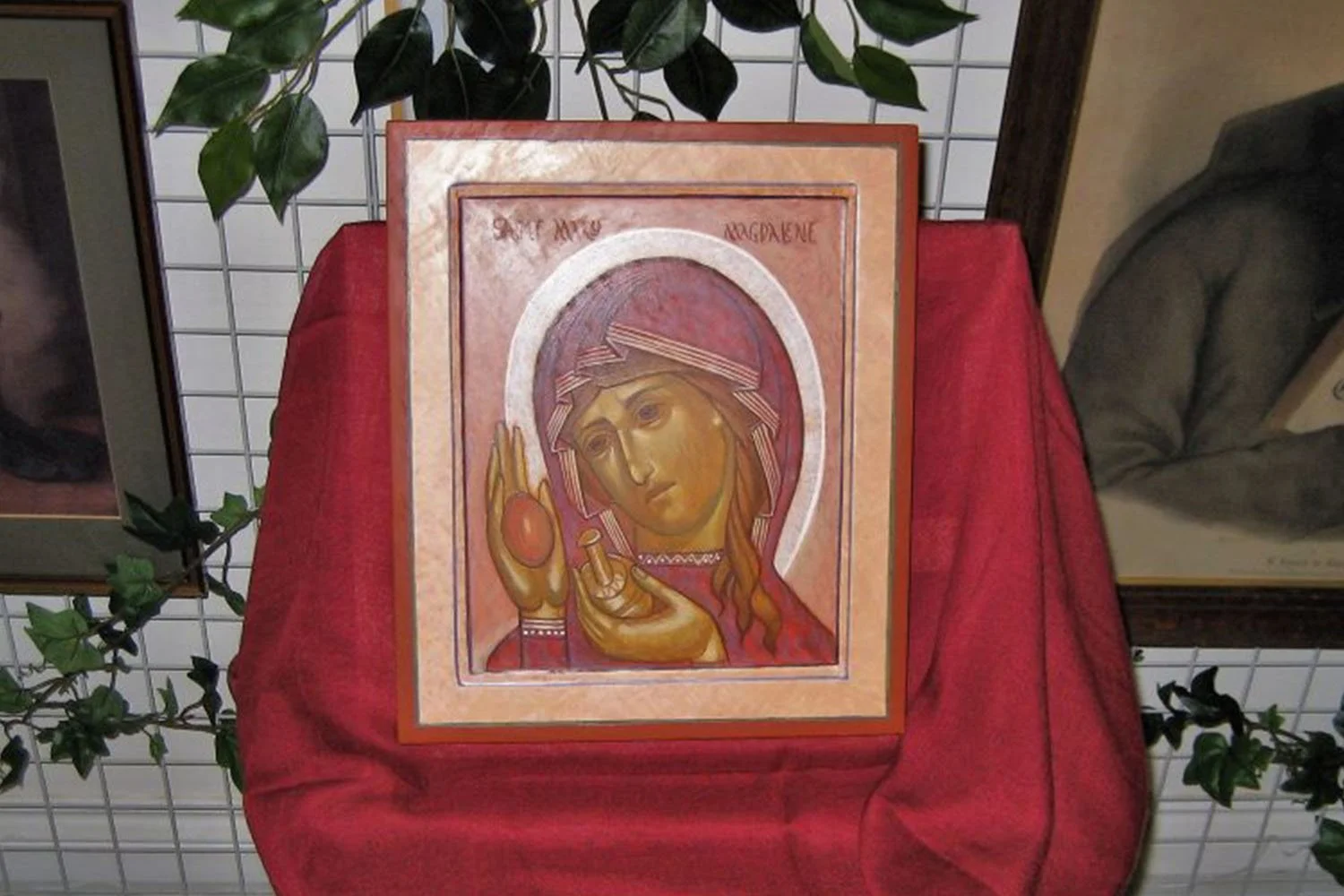
Current exhibition in the Venerable Magdalen Taylor Heritage Room, Brentford
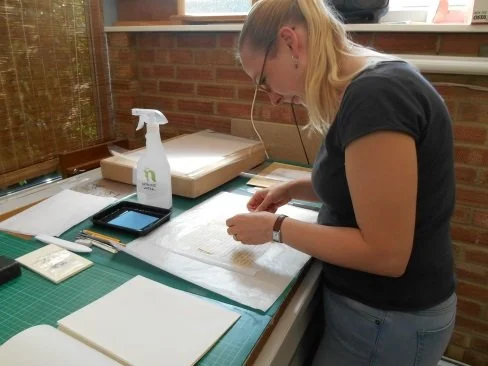
There is a small display in the Brentford Heritage Room of letters of Mother Magdalen Taylor. These are part of the exciting project which has been ongoing since 2015 to transcribe electronically the whole of Mother Magdalen’s surviving handwritten letters, and which has led to the closure of the archives until the re-opening timed for January 2018.